
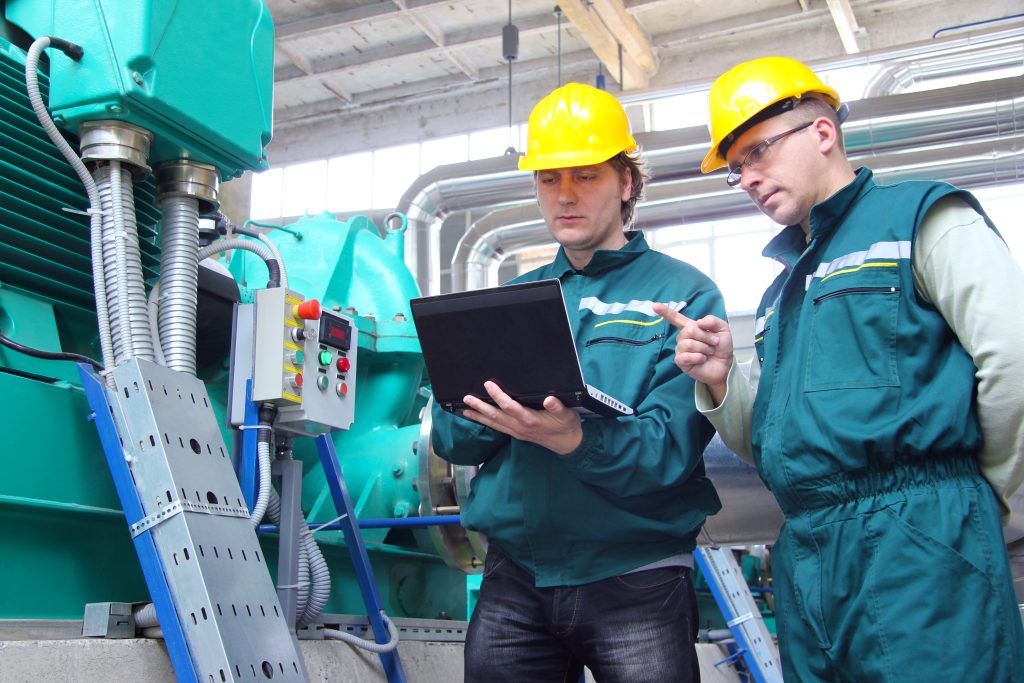
Manufacturers across the UK are under constant pressure to produce more with less. Whether it’s rising material costs, tighter compliance, or unpredictable supply chains, there’s one tool that’s become increasingly vital: a manufacturing ERP system.
For small to mid-sized UK manufacturers, choosing an affordable ERP solution can help manage costs while still providing comprehensive enterprise resource planning capabilities.
These systems bring all the moving parts of a factory together — from production planning and stock control to finance, quality, and customer orders. In this guide, we’ll walk through how ERP software works in a manufacturing setting, how to choose the right system, and what real-world costs look like for UK businesses in 2025.
Between spreadsheets and a six-figure ERP rollout, there’s a middle path worth naming. Fishbowl is an inventory and manufacturing platform built for small and midsize manufacturers already running QuickBooks or Xero, giving teams real-time control over stock, work orders, and fulfilment without committing to a full ERP project.
Its AI layer, a digital operations specialist called Juno, reads live data across open orders, on-hand inventory, bills of materials, and vendor lead times, then drafts the purchase, manufacturing, and work orders the team needs to keep production moving. It also flags shortages and capacity gaps before promise dates slip. Because activity syncs back to QuickBooks or Xero as the system of record, operations and finance work from the same numbers, which supports cleaner COGS and a faster monthly close, useful for factories that need control now rather than after an eighteen-month implementation.
Between spreadsheets and a six-figure ERP rollout, there’s a middle path worth naming. Fishbowl is an inventory and manufacturing platform built for small and midsize manufacturers already running QuickBooks or Xero, giving teams real-time control over stock, work orders, and fulfilment without committing to a full ERP project.
What Is a Manufacturing ERP System?
ERP stands for Enterprise Resource Planning. In a manufacturing environment, ERP software helps you run your entire business from a single platform, centralising and optimising business operations for greater efficiency and visibility. It covers everything from raw material purchasing to final delivery. ERP systems also streamline and manage business processes across the company, improving workflow automation and coordination between departments.
Key features in a typical UK manufacturing ERP system:
- Bill of Materials (BOM) and routing
- MRP (Material Requirements Planning)
- Inventory and warehouse management
- Shop floor control and scheduling
- Sales and order tracking
- Quality management
- Financials (invoicing, ledgers, tax compliance)
- Traceability and batch/serial tracking
- Automation of routine tasks
ERP lets you move away from spreadsheets and disconnected systems. Automation in ERP systems helps eliminate manual processes, improving productivity and accuracy. Everything talks to each other in real time — so your team can make faster, more accurate decisions.
Why UK Manufacturers Need ERP Now More Than Ever
British manufacturers face unique challenges: Brexit-driven trade changes, evolving regulations, skilled labour shortages, and mounting pressure to hit sustainability targets. That’s why many are turning to ERP to modernise their operations. ERP solutions are specifically designed to help manufacturing businesses address industry-specific challenges, streamline processes, and enhance productivity.
Benefits of manufacturing ERP software:
- Better control over costs and wastage
- Real-time visibility into stock, orders, and capacity
- Easier compliance with ISO standards and MHRA/DEFRA rules
- Faster turnaround on customer orders
- Improved planning and reduced downtime
- Reduce costs through better resource management and process optimisation
- Increased productivity thanks to streamlined workflows and real-time data access
For sectors like food and drink, aerospace, or pharmaceuticals — where traceability and accuracy are non-negotiable — a strong ERP system isn’t just helpful, it’s essential.
Common Types of Manufacturing ERP Systems
Depending on what you make and how you make it, you’ll need different features. ERP providers in the UK tend to offer systems built for: There are a variety of ERP solutions tailored to different manufacturing requirements.
Discrete Manufacturing
For assembling distinct items like electronics, machinery, or furniture. Tracks parts, assemblies, job orders, and production schedules. ERP systems connect different departments to streamline production processes, ensuring efficient coordination and data sharing across the organisation.
Process Manufacturing
For industries like chemicals, food, or pharmaceuticals, where formulas, yields, and batch tracking matter more than unit-based assembly. ERP systems provide visibility and control over the entire process, from raw materials to finished goods, ensuring traceability and efficient management at every stage.
Project-Based Manufacturing
For custom builds like aerospace components or industrial machinery, with ERP tracking project milestones, cost-to-completion, and resource allocation.
Cloud vs On-Premise ERP in UK Factories
You’ll also need to decide how the ERP is hosted. Here’s a quick comparison:
| Type | Cloud ERP | On-Premise ERP |
|---|---|---|
| Setup | Hosted by vendor | Installed on your own servers |
| Access | Browser/mobile | Local network |
| Costs | Subscription-based | Higher upfront |
| Updates | Automatic | Manual |
| Popular with | SMEs | Larger firms or those with IT teams |
Cloud-based ERP systems offer benefits such as remote accessibility, automatic updates, and scalability for UK manufacturers.
Cloud ERP is now the go-to choice for many small and mid-sized UK manufacturers due to its lower upfront cost and faster deployment. A cloud-based ERP system can also support industrial manufacturing companies with features like supply chain management, customisation, and real-time data insights. Larger operations may still prefer on-premise systems for full control and compliance reasons.
Hybrid solutions are also available, combining cloud and on-premise deployment for maximum flexibility. Industrial manufacturing businesses can benefit from these deployment options by choosing the best fit for their operational needs and IT resources.
How to Choose a Manufacturing ERP System (UK Focus)
1. Map Your Current Processes
Before demoing any systems, sketch out how your production works today. Where are the delays? Manual processes can be highly time-consuming, hindering productivity and making it difficult to keep up with operational demands. Implementing an ERP can help address these inefficiencies by streamlining and automating tasks. What data do you wish you had on hand?
2. Prioritise Key Features
Not all manufacturers need every module. Start with what matters most:
- MRP and production planning
- Inventory and barcode scanning
- CRM and order processing
- Quality control and traceability
- Real-time shop floor monitoring and managing operations directly on the plant floor
3. Look for Industry Experience
Choose ERP vendors who’ve worked with UK manufacturers in your sector. Ask for references. Food, pharma, engineering, engineering sectors, and plastics all have different requirements.
4. Check Integration Options
Can the system connect with your accounting software (e.g. Xero or Sage)? What about CAD, ecommerce platforms, courier systems, or service management platforms? If you want to keep your existing finance software package.
5. Evaluate Support and Training
Ask about UK-based support, onboarding time, and whether the provider offers training for your team.
Reporting and Analytics in Manufacturing ERP
In today’s fast-paced manufacturing industry, the ability to access and interpret real-time data is a game-changer. Reporting and analytics are at the heart of any modern manufacturing ERP system, empowering businesses to make informed decisions, streamline operations, and drive continuous improvement across every stage of the production process.
A robust ERP solution brings together data from manufacturing processes, supply chain management, and enterprise resource planning into a single, unified platform. This integration allows manufacturers to monitor key performance indicators (KPIs), track inventory management, and oversee production scheduling—all in real time. With business intelligence tools and customizable dashboards, manufacturers can visualise trends, identify bottlenecks, and respond proactively to challenges on the shop floor or across the supply chain.
Manufacturing ERP Costs in the UK (Realistic 2025 Pricing)
Many businesses underestimate ERP costs. Here’s a more realistic snapshot of what manufacturers are paying in the UK today. Manufacturing companies of all sizes need to consider both upfront and long-term costs when planning for ERP implementation.
| Business Size | Users | 3-Year Total Cost (All-In) |
|---|---|---|
| Small manufacturer | 10–30 | £75,000 – £150,000 |
| Mid-sized operation | 30–100 | £150,000 – £500,000 |
| Large/multi-site | 100+ | £500,000 – £2m+ |
These figures include software, implementation, data migration, support, and training.
Factors that drive up costs:
- Customisation
- Multiple locations or warehouses
- Complex integrations
- Legacy data cleanup
- Intensive compliance or reporting needs
Investing in ERP can help manufacturing companies maximise profitability by providing better data insights and more efficient resource management.
Top Manufacturing ERP Systems in the UK
Here are some of the most used and trusted ERP platforms for manufacturers in the UK. These ERP solutions are widely adopted across the manufacturing and engineering sectors in the UK to streamline operations and support industry compliance:
| ERP System | Best for |
|---|---|
| SAP Business One / S/4HANA | Large-scale, enterprise-grade manufacturers |
| SYSPRO | Discrete and process manufacturing, mid-size and up |
| Priority Software | Mid-sized manufacturers needing flexibility |
| Katana | Small workshops, D2C brands, cloud-native |
| EFACS E/8 | UK-built, highly customisable for complex manufacturing |
| MRPeasy | Affordable cloud ERP for smaller production setups |
| Microsoft Dynamics 365 Business Central | Mid to large businesses with Microsoft ecosystems |
These ERP platforms are tailored to meet the unique needs of various manufacturing industries, providing industry-specific tools and functionalities essential for comprehensive production management and business growth.
Key Takeaway: ERP as a Strategic Investment
A solid manufacturing ERP system isn’t just software — it’s a long-term investment in how your business runs. For UK manufacturers, it can mean the difference between thriving or just surviving in a competitive market.
Take your time. Get clear on your goals. Shortlist vendors who understand your world — and build a rollout plan that doesn’t derail your production in the process.
Done right, ERP doesn’t just cut costs. It gives you the visibility, control, and agility to grow.
Related Topics
- ERP for small manufacturers UK
- MRP vs ERP for production
- ERP implementation costs UK
- Cloud ERP for British factories
- Traceability in manufacturing systems
- UK ERP vendors for process manufacturing
- Choosing ERP software in 2025
- Inventory management in ERP